
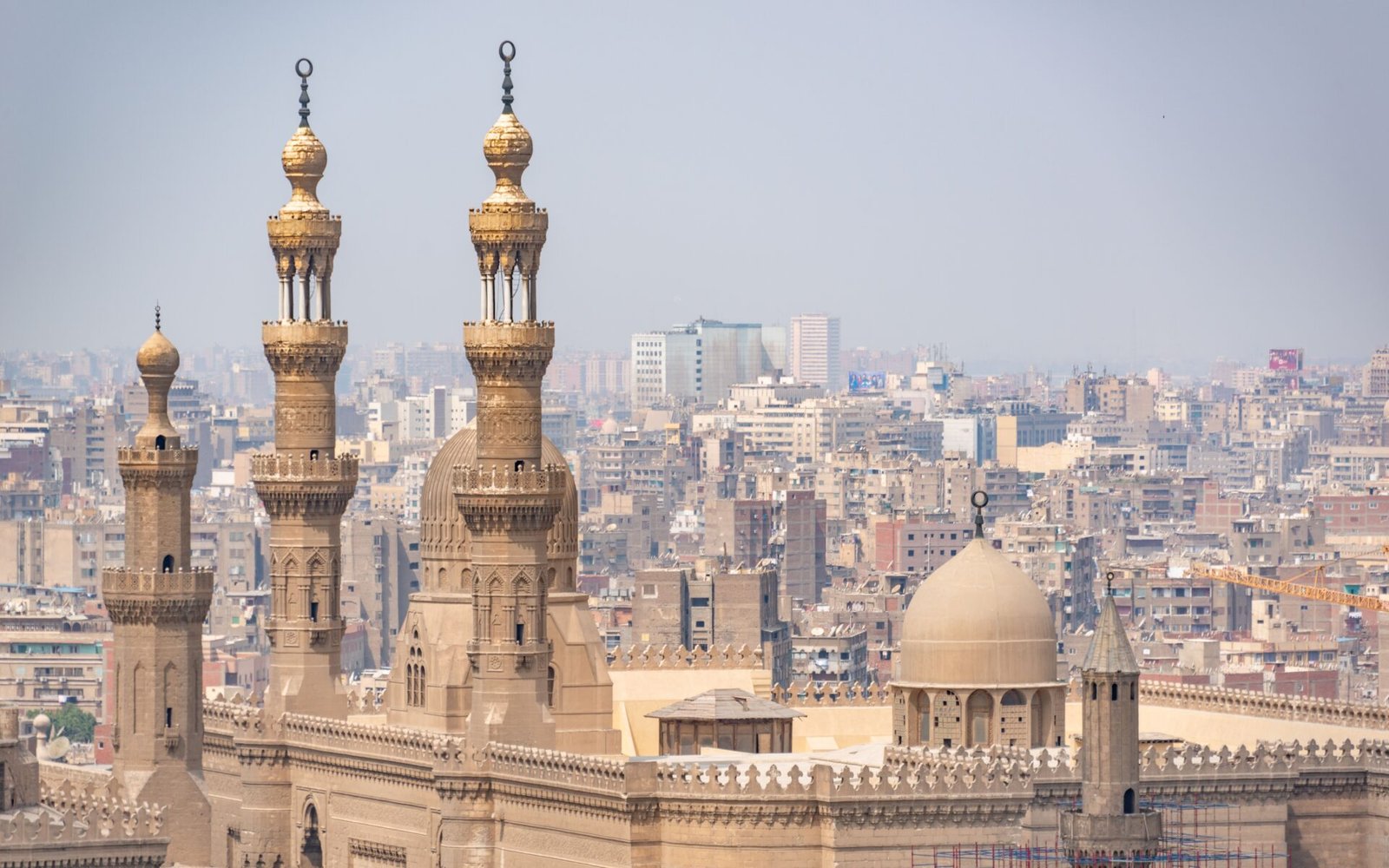
Islamic Cairo
Islamic Cairo is a living historic city of mosques, madrasas, markets, houses and streets shaped by successive dynasties and institutions.
Read the monument as part of a larger Egyptian story
No single monument explains Islamic Cairo. Its value comes from moving through streets where architecture, worship, commerce and neighbourhood life remain intertwined. A carefully designed walk selects a few buildings and uses them to explain patronage, urban growth and religious life.
Historical context
Historic Cairo developed through Fatimid, Ayyubid, Mamluk, Ottoman and later periods. The UNESCO-listed urban fabric preserves major religious and civic monuments while remaining a densely inhabited part of the modern capital.
Details that help the site make sense
These are interpretive features to notice, not a promise of a fixed walking order or permanent access to every area.
Monument types
Mosques, madrasas, mausolea, sabils and commercial buildings served different social functions.
Patronage
Inscriptions and scale can identify the rulers and elites who used architecture to shape the city.
Living streets
Markets, workshops and worship keep the district active rather than archaeological.
The detail that changes how you see the place
The best interpretation avoids presenting “Islamic Cairo” as one style or one century. It is a layered city where each dynasty inherited and reworked what came before.
What an expert eye notices
Minarets in sequence
Different forms help trace changing architectural fashions.
Thresholds
Entrances often compress, turn or frame movement into sacred and civic spaces.
Street relationship
Buildings were designed as part of active streets, not isolated monuments in parks.
Questions travellers ask about Islamic Cairo
Historical context stays stable; operating details are confirmed for your date because access and visitor rules can change.
Is Islamic Cairo a single neighbourhood?
The term refers broadly to major historic districts and monuments within Cairo’s medieval urban fabric.
Are the mosques active?
Many are active places of worship, so visitor etiquette matters.
How long does it take to explore?
The area is extensive; a focused half or full day should follow a coherent theme rather than trying to cover everything.
Tours and journeys that include Islamic Cairo
The same canonical site guide can belong to several experiences. Each tour explains why the place matters to that particular story.
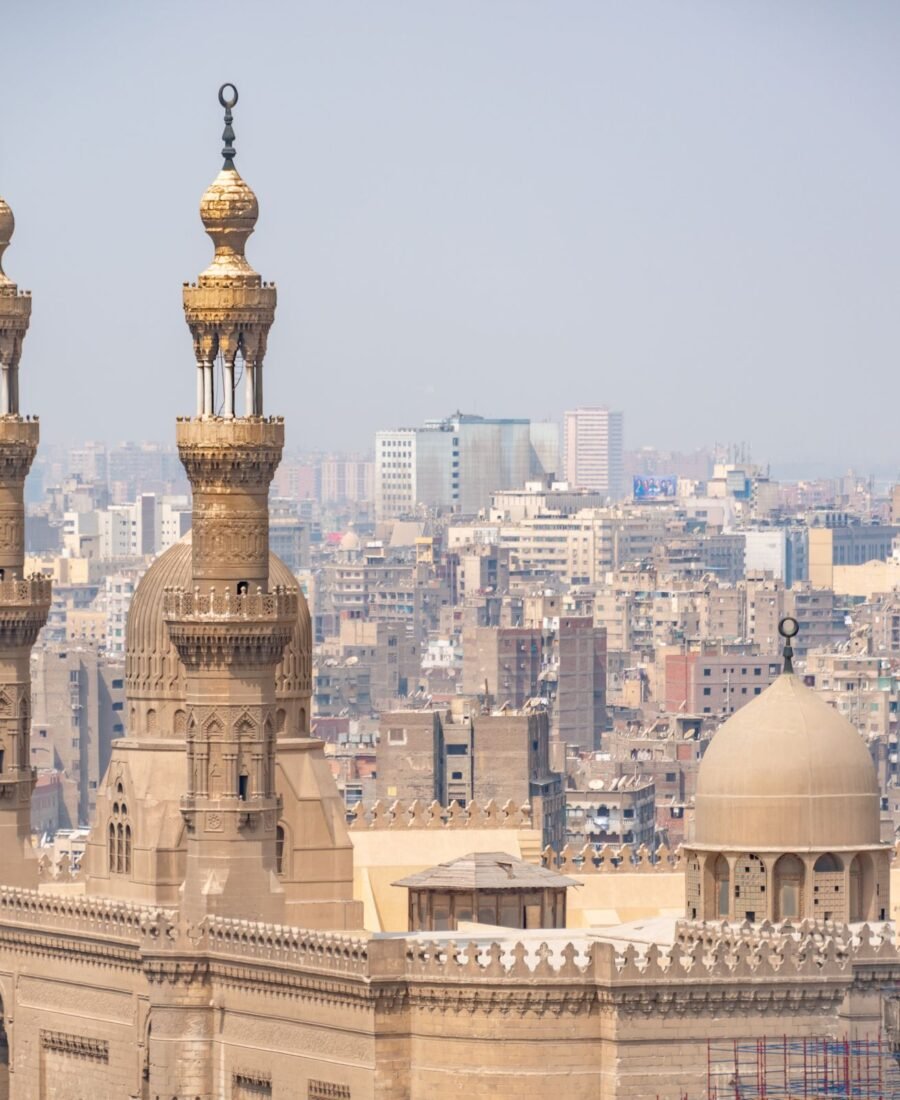
Cairo of Faiths
Explore two thousand years of religious history.
Request current rateExplore →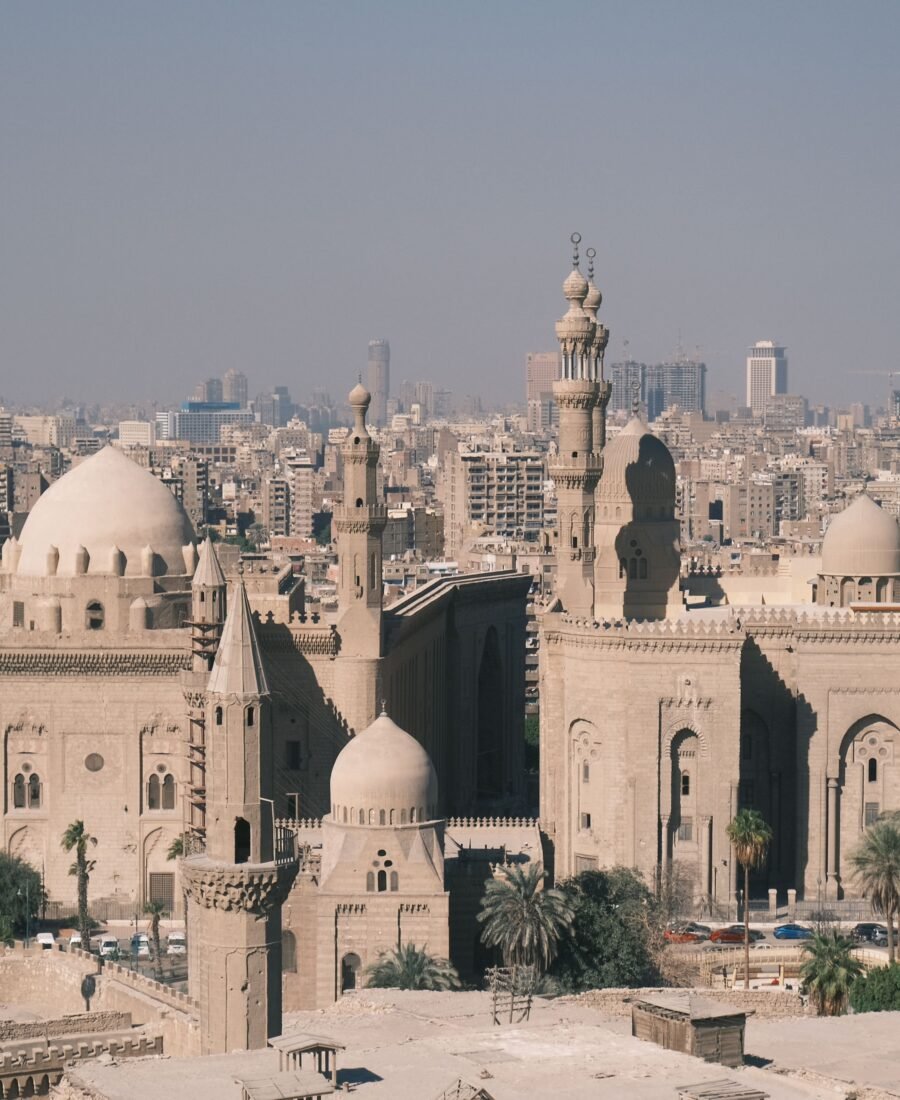
Islamic Egypt
Discover the artistic, intellectual and spiritual heritage of Islamic Egypt.
Request current rateExplore →This field guide is maintained against authoritative heritage and institutional references where available. Current operations are verified separately.
See Islamic Cairo with context, not as another checklist stop
Tell us the places and historical themes that interest you. We will build the touring day around a coherent story and the conditions for your travel date.
Start Planning