
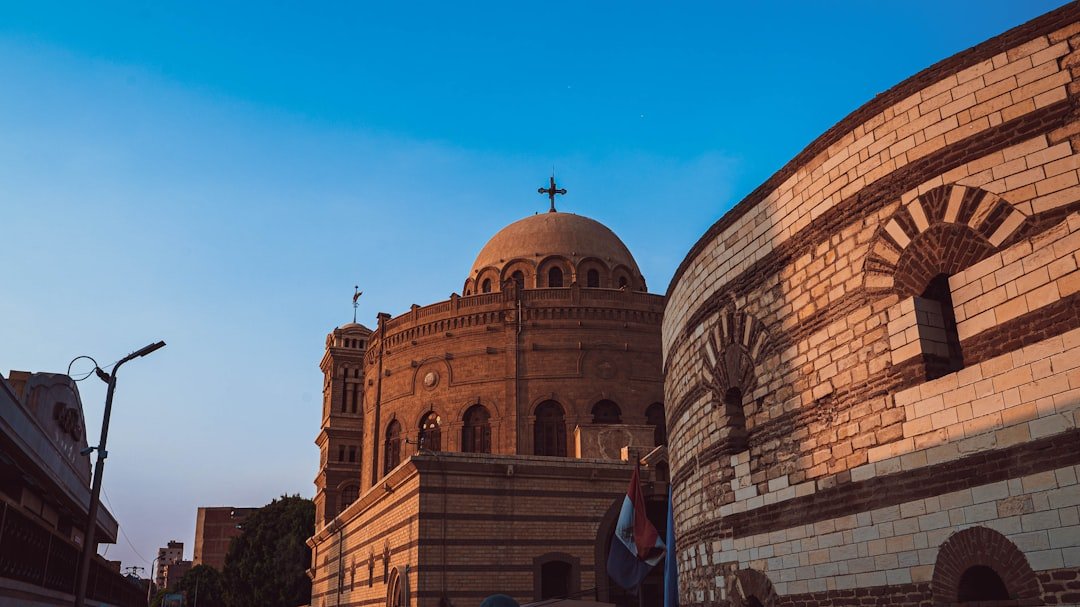
Coptic Cairo
Coptic Cairo concentrates layers of Roman, Christian and later Cairene history in a compact district of churches, archaeology and living religious heritage.
Read the monument as part of a larger Egyptian story
The district is most meaningful when individual churches are understood within the older fortress landscape and the continuing history of Egyptian Christianity. It is both heritage and living sacred space, requiring a different pace and etiquette from an archaeological site.
Historical context
Old Cairo preserves important Christian monuments within and around the Roman fortress of Babylon. Churches were rebuilt and altered across centuries, so the district records continuity, restoration and changing communities rather than one frozen historical moment.
Details that help the site make sense
These are interpretive features to notice, not a promise of a fixed walking order or permanent access to every area.
Fortress context
Roman masonry survives beneath and around later sacred buildings.
Church architecture
Screens, icons, nave arrangement and liturgical spaces explain how buildings function.
Living community
Worship and heritage overlap, making respectful observation part of the visit.
The detail that changes how you see the place
Coptic Cairo is a good place to explain that Egyptian history did not stop with the pharaohs. The strongest interpretation connects Roman Egypt, early Christianity, medieval Cairo and present-day Coptic identity.
What an expert eye notices
Older walls below later buildings
Look for reused and surviving Roman fabric.
Icon screens
Notice how interior division and imagery guide movement and worship.
Vertical layers
Some churches literally sit above earlier structures, making historical layering visible.
Questions travellers ask about Coptic Cairo
Historical context stays stable; operating details are confirmed for your date because access and visitor rules can change.
Is Coptic Cairo still used for worship?
Yes, several churches are active sacred spaces as well as heritage monuments.
Is it only about the Holy Family tradition?
No. That tradition is important to many visitors, but the district also preserves major architectural, communal and historical evidence.
How should visitors dress?
Modest, respectful clothing is appropriate in active religious sites; exact access rules are checked locally.
Tours and journeys that include Coptic Cairo
The same canonical site guide can belong to several experiences. Each tour explains why the place matters to that particular story.
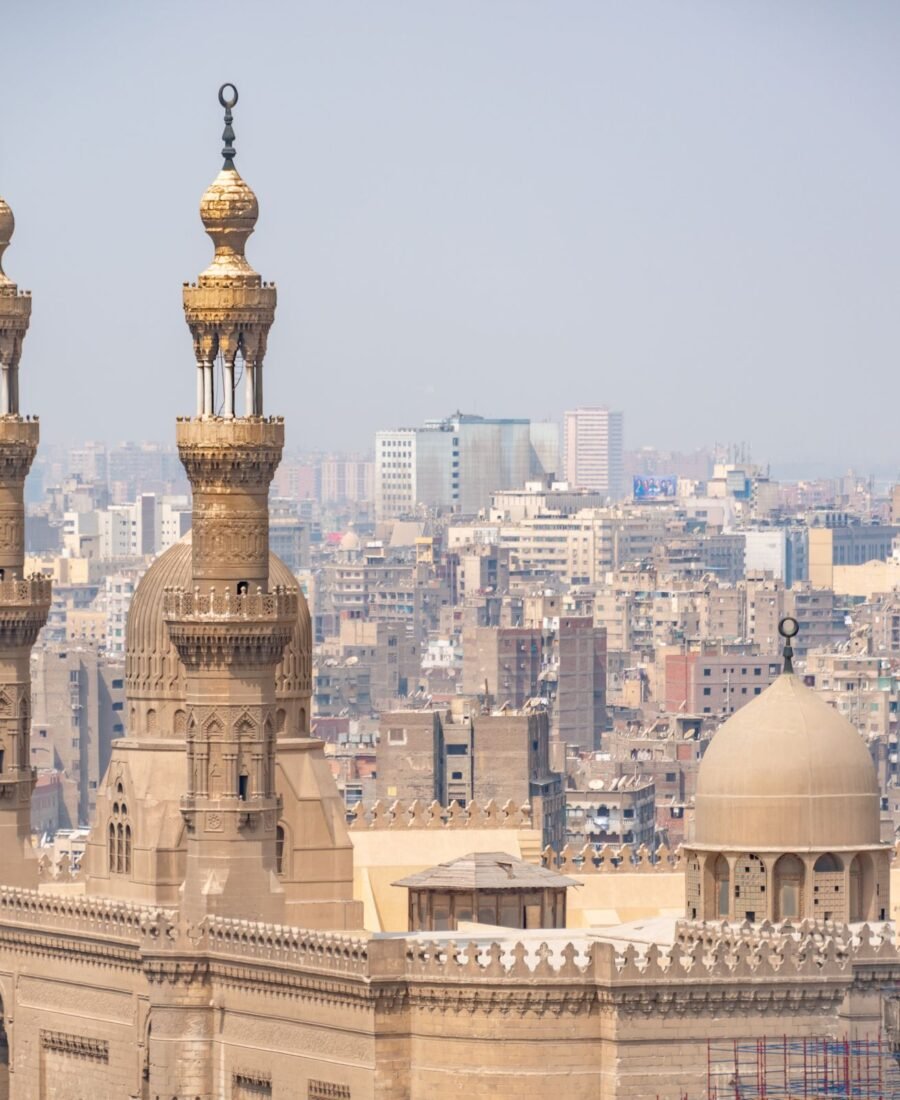
Cairo of Faiths
Explore two thousand years of religious history.
Request current rateExplore →This field guide is maintained against authoritative heritage and institutional references where available. Current operations are verified separately.
See Coptic Cairo with context, not as another checklist stop
Tell us the places and historical themes that interest you. We will build the touring day around a coherent story and the conditions for your travel date.
Start Planning